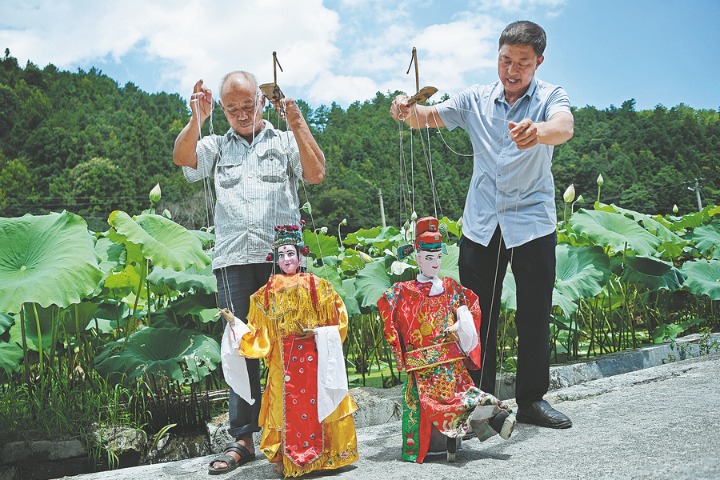
Quanzhou Puppet
Introduction
Quanzhou Puppet, a traditional form of performing art, is an integral part of the rich cultural tapestry of Quanzhou, a city in Fujian province, China. This unique art form has been delighting audiences for about two millennia with its intricate craftsmanship and vivid storytelling. Quanzhou Puppetry primarily involves marionettes that are manipulated by skilled puppeteers to perform a variety of actions and convey stories steeped in folklore and local traditions. Characterized by its artistic complexity, the puppet heads are carved from camphor, linden, or willow wood and are capable of mimicking subtle human movements, making the performances feel incredibly lifelike. The puppetry includes elements such as traditional music, vivid sculptures, and elaborate costumes, all of which contribute to its authenticity and charm. Recognized as a national intangible cultural heritage in 2006, the Quanzhou Puppet continues to be celebrated and preserved through various initiatives and festivals, reflecting its enduring significance in Chinese cultural heritage.
Historical Background
The origins of Quanzhou Puppetry can be traced back to the Han Dynasty (206 BC-AD 220), making it one of the oldest forms of puppet theater in China. Initially believed to serve as a medium of communication between humans and deities, Quanzhou Puppetry was imbued with religious significance. Over time, it evolved into a beloved art form, deeply embedded in the daily life and customs of the people of Quanzhou. Celebrations such as weddings, birthdays, and the openings of new buildings often featured puppet shows as a customary form of entertainment. The tradition of crafting puppets and their associated performances has been passed down through generations, preserving techniques and styles that date back to the Tang (618-907) and Song (960-1279) dynasties. This heritage has made Quanzhou Puppet an important aspect of Chinese folk art, showcasing the historical continuity and cultural richness of the region.
Cultural Significance
Quanzhou Puppet holds great cultural significance as a representation of the artistic ingenuity and traditional folk practices of Fujian province. Its performances are not merely entertainment but serve as a vessel for cultural expression, transmitting local legends, social values, and historical narratives. The puppets' ability to simulate human emotions and actions allows them to engage audiences on a profound level, making them an effective medium for storytelling. As a cultural icon, Quanzhou Puppetry has been instrumental in promoting the organic integration of cultural and social values, fostering cultural confidence, and enhancing the appreciation of Chinese culture globally. Festivals such as the China Quanzhou International Puppet Festival have played a crucial role in highlighting the art form's cultural relevance by bringing together performers from different regions and countries, thus facilitating cultural exchange and dialogue.
Preservation Efforts
Preserving the Quanzhou Puppet tradition has been a focus of cultural heritage initiatives, particularly given the challenges posed by modern socioeconomic changes. Recognizing the need to sustain this centuries-old art form, strategies such as the 2008-2020 Strategy for the Training of Coming Generations of Fujian Puppetry Practitioners were developed. These strategies emphasize professional training, the compilation of teaching materials, and the establishment of performance venues and training institutes. Efforts to preserve this intangible cultural heritage also include regional and international cooperation, artistic exchanges, and sensitization through education. Financial support and the establishment of public puppetry groups have further bolstered preservation efforts, ensuring that new generations can carry forward the legacy of this traditional art form. The inclusion of Quanzhou Puppetry on UNESCO's Register of Good Safeguarding Practices reflects the commitment to its preservation and the recognition of its global cultural value.
Modern Influences and Innovations
Modern influences and innovations have contributed to refreshing the appeal of Quanzhou Puppetry, adapting it to contemporary tastes while retaining its traditional essence. Artists have been pivotal in this evolution, introducing techniques such as the use of spray guns in the painting process to achieve brighter and more delicate colors that align with modern stage aesthetics. Innovations also include creating puppets with mechanical features, such as movable eyes and mouths, adding a dynamic element to performances. Through initiatives like international media tours and cultural festivals, the art form has reached wider audiences, fostering an appreciation for traditional puppetry among younger generations. The Quanzhou Puppetry Theater's modern productions continue to draw audiences, demonstrating the successful blend of tradition and innovation in keeping the art form vibrant and relevant in today's cultural landscape.








